
-
Handblock Jute Cotton Dhurries
Regular price Rs. 1,699.00Regular priceUnit price per -
Handblock Jute Cotton Dhurries
Regular price Rs. 1,699.00Regular priceUnit price per -
Handblock Jute Cotton Dhurries
Regular price Rs. 1,699.00Regular priceUnit price per -
Handblock Jute Cotton Dhurries
Regular price Rs. 1,699.00Regular priceUnit price per -
Handblock Jute Cotton Dhurries
Regular price Rs. 1,699.00Regular priceUnit price per -
Handblock Jute Cotton Dhurries
Regular price Rs. 1,699.00Regular priceUnit price per -
Handblock Jute Cotton Dhurries
Regular price Rs. 1,699.00Regular priceUnit price per -
Handblock Jute Cotton Dhurries
Regular price Rs. 1,699.00Regular priceUnit price per -
Handblock Jute Cotton Dhurries
Regular price Rs. 1,699.00Regular priceUnit price per -
Handblock Jute Cotton Dhurries
Regular price Rs. 1,699.00Regular priceUnit price per -
Handblock Jute Cotton Dhurries
Regular price Rs. 1,699.00Regular priceUnit price per -
Handblock Jute Cotton Dhurries
Regular price Rs. 1,699.00Regular priceUnit price per -
Handblock Jute Cotton Dhurries
Regular price Rs. 1,699.00Regular priceUnit price per -
Handblock Jute Cotton Dhurries
Regular price Rs. 1,699.00Regular priceUnit price per -
Handblock Jute Cotton Dhurries
Regular price Rs. 1,699.00Regular priceUnit price per -
Handblock Jute Cotton Dhurries
Regular price Rs. 1,699.00Regular priceUnit price per


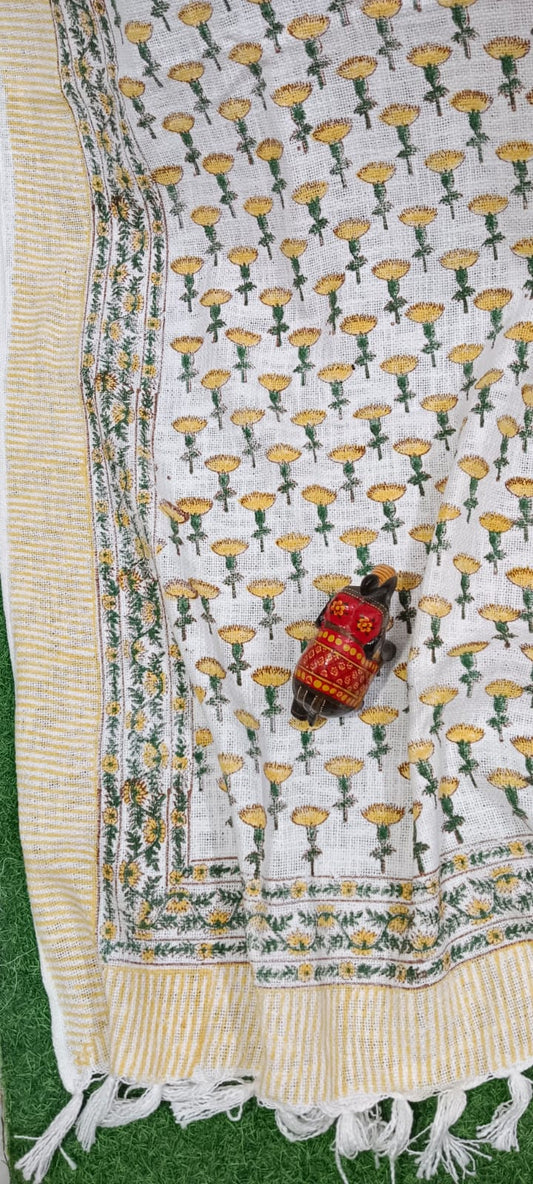


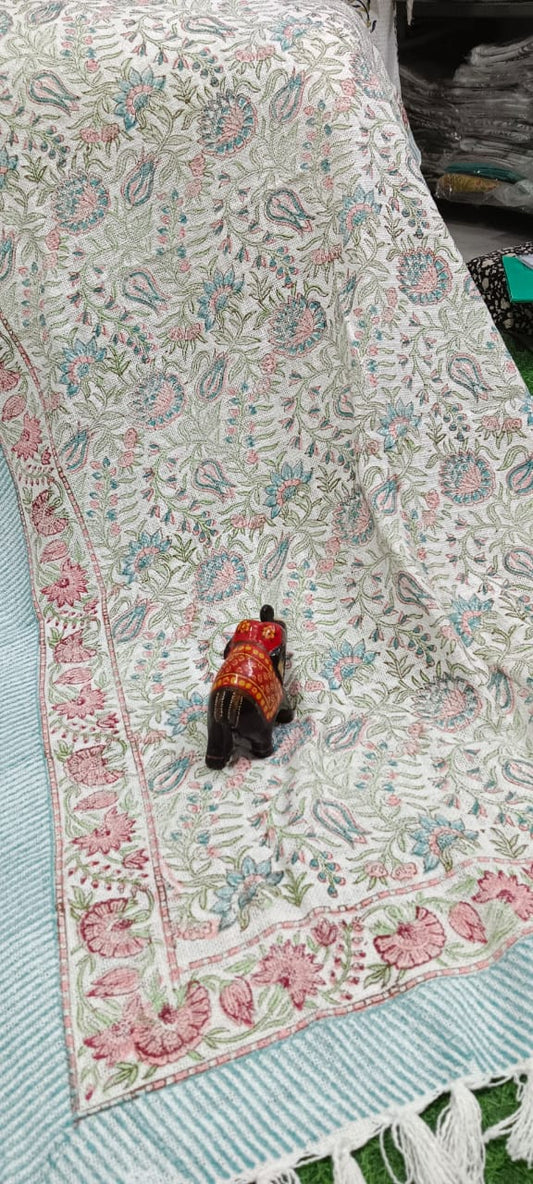

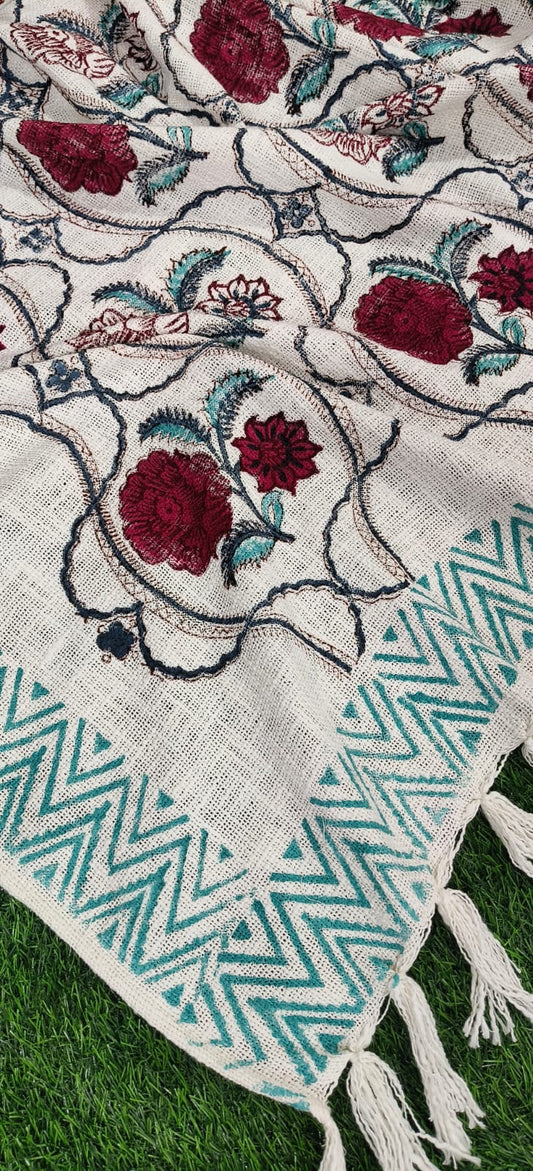
Most floor mats are purely functional — bought to fill a space, replaced when they wear out, and forgotten in between. Aenak's jute cotton dhurries are made for something more. Woven from a natural jute-cotton blend and handblock printed by Chippa artisans in Sanganer, Jaipur, each dhurrie carries the warmth of a craft tradition that predates machine manufacturing by centuries. Use it on the floor, drape it over a sofa, spread it at a picnic, or lay it in a child's room — and it brings something to the space that a synthetic floor mat simply cannot.
A dhurrie is a flat-woven Indian floor textile — lighter than a carpet, more characterful than a mat. Unlike pile rugs, dhurries have no raised loops or tufts: they are woven flat, which makes them easy to clean, easy to fold, reversible in many designs, and at home on the floor or draped as a sofa throw. The best dhurries are made from natural fibres — cotton, jute, or a blend of both — and are among the oldest categories of Indian domestic textile, with regional traditions spanning Rajasthan, Punjab, Gujarat, and Andhra Pradesh.
Why Jute Cotton — and Why It Works
Pure cotton dhurries are soft but can feel thin underfoot. Pure jute rugs have excellent texture and natural warmth but can be rough against bare skin and difficult to print on with fine-detail motifs. The jute-cotton blend used in Aenak dhurries solves both problems at once.
The jute component gives the dhurrie its characteristic earthy weight and structural body — a firmness underfoot that pure cotton cannot provide. The cotton component softens the weave, making it comfortable to sit on barefoot and gentle enough to drape over a sofa without the scratchy quality that pure jute can have. The combination produces a textile that looks and feels premium rather than utilitarian — which is a meaningful distinction for something placed at the centre of a living room or study.
Jute cotton's slightly textured weave interacts with handblock printing in a way that produces visual depth. When a carved teak block loaded with natural dye is pressed onto jute cotton, the dye absorbs differently across the warp and weft threads — deeper on the cotton fibres, lighter on the jute — creating tonal variation within a single print impression. The result is a printed surface that has a natural, slightly aged character from the first day. Digital printing on synthetic fabric looks immediately flat by comparison.
Jute-only rugs and wool dhurries are typically not machine washable — they require dry cleaning or specialist hand washing. The cotton in Aenak's jute-cotton blend makes the dhurrie fully machine washable on a gentle cycle. For a product used on the floor, picked up for picnics, and draped over sofas with pets and children, this practicality matters far more than it might sound. You can wash it, dry it in shade, and have it back on the floor the same day.
At 4 × 6 feet, the Aenak dhurrie folds down to the size of a beach bag. This makes it useful in contexts where a conventional rug simply cannot go: packed into a car for a picnic in Sanjay Gandhi National Park, rolled up in a school bag for an outdoor art class, folded flat against a wall when you want to rearrange the room for a gathering. The combination of natural weight and foldability is a property that synthetic mats mimic with lighter materials but jute cotton achieves with genuine character.
Product Specifications
Five Ways to Use an Aenak Jute Cotton Dhurrie
The 4 × 6 foot size is deliberately versatile — large enough to anchor a seating area, compact enough to fold into a bag. Here is how most customers use them:
Placed under a coffee table or in front of a sofa, a 4 × 6 dhurrie defines a seating zone without the visual heaviness of a full area rug. The Sanganeri print brings colour and warmth to the floor in a way that solid-colour synthetic mats cannot — and because the dhurrie lies flat and can be machine washed, it is a far more practical choice than a silk or wool rug for a household with daily use and the occasional spill.
Draped over the back or arm of a sofa, a jute cotton dhurrie adds the kind of layered, lived-in aesthetic that interior designers charge significant amounts to achieve. The natural fibre texture and handblock print work particularly well against white or neutral upholstery — the warmth of the terracotta, indigo, or sage tones in the print anchors the sofa without matching it rigidly. It also protects the sofa back from pet hair and everyday use.
The jute-cotton blend is robust enough for outdoor use — it sits flat on grass without curling, is easy to shake clean of soil and debris, and machine washes readily after a day outside. At 4 × 6 feet, it seats four adults comfortably on the ground. Families in Mumbai, Pune, and Bengaluru frequently use these for weekend mornings in gardens and parks where a full picnic blanket would be excessive and a towel would be too thin.
Cotton and jute are both naturally non-slip on clean dry floors — a meaningful advantage over synthetic rubber-base yoga mats that can smell of chemicals and degrade with washing. The natural fibre surface is grounding and cool underfoot for morning practice. The 4 × 6 size gives adequate space for a full yoga practice. Note: for hot or power yoga with significant sweat, a purpose-built rubber mat is the better choice — jute cotton is better suited for slower, floor-based practices.
Natural fibre, azo-free dyes, machine washable — these are the three properties parents most commonly cite when choosing a play surface for a young child's room. The handblock print designs — florals, jaals, geometric repeats in warm and nature-inspired colours — are visually engaging without the noise of synthetic graphic play mats, and sit naturally alongside wooden furniture and natural-fibre nursery décor aesthetics that have become common in Indian homes.
Jute Cotton vs Other Dhurrie & Rug Types
| Feature | Aenak Jute Cotton | Pure Jute Rug | Wool Dhurrie | Synthetic / Polyester Mat | Cotton Dhurrie |
|---|---|---|---|---|---|
| Material | Natural blend | Natural jute | Natural wool | Synthetic | Natural cotton |
| Handblock printed | Yes — artisan craft | Rarely | No — woven pattern | No | Sometimes |
| Natural dyes | Yes — azo-free | Rarely | Rarely | No | Varies |
| Machine washable | Yes — gentle cycle | No — damages jute | No — dry clean only | Usually yes | Yes |
| Texture underfoot | Firm + soft blend | Rough on bare skin | Soft & plush | Synthetic feel | Soft but thin |
| Foldable / portable | Yes — picnic ready | Yes | Heavy, not portable | Yes | Yes |
| Sofa throw use | Yes — drapes well | Too rough | Yes | Looks cheap | Yes |
| Each piece unique | Yes — handcraft | No | No | No | Sometimes |
| Artisan-made in India | Yes — Chippa, Sanganer | Often loomed | Varies | No | Varies |
A handblock printed jute cotton dhurrie is one of the most considered housewarming gifts you can give — the kind of thing someone notices every time they walk into their own living room. It is useful from day one, improves the look of any space it enters, and does not end up in a cupboard after the first week. At ₹1,699 it is also a premium gift that does not price itself out of everyday gifting occasions: it works equally well for a colleague's new apartment, a friend's first home, a Diwali hamper, or a wedding gift where you want to give something genuinely personal rather than another set of dinner plates. For bulk gifting or custom packaging, WhatsApp us at +91-9136167510.
Sanganer is a small textile town 16 kilometres south of Jaipur that has been India's most significant centre of handblock printing for over four centuries. The Chippa artisan community — whose family names are often synonymous with specific block patterns passed down across generations — remain the primary custodians of the craft. Every Aenak dhurrie is printed in Sanganer.
The process that produces the prints on these dhurries is substantially unchanged from the one practised here four hundred years ago. A teak wood block is hand-carved with the chosen motif — floral, jaal lattice, geometric repeat, or buti — by a craftsman who may spend several days on a single block. The block is dipped in natural dye and pressed onto the stretched fabric with controlled, even pressure. The artisan reads the surface of the fabric, the direction of the weave, the absorbency at that specific point, and adjusts pressure and placement by feel and by eye.
Each colour in a multi-colour design requires a separate block and a separate pressing, with alignment done by hand rather than machine registration. The small variations that result — a shade difference between two blue flowers, a motif that sits two millimetres from where the previous impression landed — are the evidence of human making, and the reason no two Aenak dhurries are exactly alike.
Frequently Asked Questions
What is a dhurrie, and how is it different from a rug or carpet?
What material is the Aenak dhurrie made from?
What size is the Aenak jute cotton dhurrie?
Can the Aenak dhurrie be machine washed?
Can I use this as a sofa throw, or is it only a floor mat?
Is the dhurrie suitable for a yoga mat?
Are the dyes safe for children's rooms and barefoot use?
What is Sanganeri handblock printing?
Will the colours bleed or fade with use?
Can I order a custom size or bulk quantity?
How long does delivery take, and is shipping free?
Does the dhurrie need an anti-slip pad underneath?
Questions about size, colour, or bulk orders? WhatsApp us at +91-9136167510 — we are happy to help you choose the right print, confirm a custom size, or put together a gifting set with coordinating Aenak home linen.